Dynamic creative ads are the workhorse of modern paid social. Instead of shipping one static asset, you upload multiple hooks, visuals, headlines and CTAs, and the platform algorithm mixes them into personalized combinations for every viewer. When it works, you get 10–20% CTR lifts and 8–15% CPA reductions versus static ads, according to industry benchmarks. When it does not, you get an expensive slot machine. This article covers what separates the best dynamic creative ads from the rest, walks through 10 real examples across DTC, SaaS, travel, retail and entertainment (yes, including Superside's D2L Brightspace campaign), gives you a comparison table, and closes with how a creative analytics platform like Superads helps you know which dynamic combinations are actually driving performance.
Dynamic creative optimization is one of those terms that sounds more technical than it is. At its core, it just means letting the ad platform assemble your creative on the fly — pulling from a library of hooks, images, videos, headlines and CTAs you provide, and serving whichever combination looks most likely to convert for the person seeing it.
Meta's Advantage+ Creative and TikTok's Automated Creative Optimization both work on this principle. When paired with a real creative library and a well-defined audience, dynamic creative can outperform manual A/B testing at element level — finding better-performing combinations faster than any human-managed test.
The catch is that dynamic creative is only as good as the assets you feed it. Fifty variations of the same hook with different background colors is not dynamic creative. It is noise dressed up as testing. The best-in-class examples share a few structural traits: distinct concepts across variants, a strong first-party or contextual data layer, and a clear way to measure which combinations are winning.
This article is built around 10 real dynamic creative ads examples from brands and agencies that ship at scale: DTC, SaaS, entertainment, travel and retail.
Before the list, we walk through what "dynamic" means today, what separates a strong example from a weak one, and how to evaluate the ones you build yourself. After the list, there's a comparison table plus a section on how Superads turns dynamic creative from "the algorithm picked something" into "here's exactly which hook, visual and angle drove the lift."
What is a dynamic creative ad?
A dynamic creative ad is a single ad unit built from a bank of interchangeable elements — usually 3–4 videos or images, 3–5 headlines, 2–3 primary text options, and 2 CTAs — that the platform algorithm combines in real time to serve personalized variations to each user.
There are two related-but-different categories worth separating.
Dynamic Creative on Meta (and TikTok's Automated Creative Optimization). You upload multiple elements, the platform tests combinations, and delivery optimizes toward the best performers.
Meta's Advantage+ Creative extends this now by generating new variations from a single asset (background enhancements, aspect-ratio adaptations, music overlays) using its GEM model.
Dynamic Product Ads (DPAs). A separate but overlapping format that pulls product images, prices and details from your catalog feed and matches them to individual users based on past browsing or purchase behavior.
ASOS-style "you looked at this, here's a discount" retargeting is the canonical use case. DPA campaigns typically deliver 3–5x higher ROAS than prospecting campaigns.
Broader "dynamic creative" as a discipline. Beyond the platform features, some of the strongest examples come from agencies and in-house teams using tools like Hunch, Smartly.io or custom DCO stacks to layer weather, time, location or first-party data on top of the standard element rotation. This is where the truly personalized examples in the list below sit.
For the rest of this article, "dynamic creative ads" covers all three, because in practice the best campaigns blend them.
How to spot a best-in-class dynamic creative ad
Before we get to the examples, it helps to name the traits that make a dynamic creative campaign actually work. When you're evaluating your own campaigns (or trying to reverse-engineer a competitor's), look for these five signals.
Distinct concepts, not cosmetic variants. The strongest dynamic creative libraries contain 3–5 genuinely different angles: problem-solution, social proof, feature-led, aspirational, category-education. Weak libraries contain 20 variants of the same hook with different fonts. The algorithm needs real difference to test against.
Personalization backed by data. The best examples layer something specific — location, weather, browsing history, listening habits, life event — onto the standard element rotation. Netflix's contextual thumbnail selection and Spotify Wrapped are the reference points here. Both use first-party data to make the creative feel one-of-one rather than one-of-many.
Format coverage. Meta's own guidance for DCO campaigns is a minimum of 10 creative variants per ad set, covering feed, Reels, Stories and Instagram placements. Best-in-class campaigns ship a master template that adapts to every aspect ratio without breaking the design.
Speed to iterate. A creative library that takes 6 weeks to refresh cannot support dynamic delivery on TikTok or high-spend Meta accounts, where fatigue moves in days. The best teams use modular templates and creative operations tooling to keep the library fresh at the tempo the platform demands.
Measurable outcomes at the element level. The final and most-skipped trait: the team can answer "which specific hook, visual or headline actually drove the lift?" — not just "the campaign hit 3.2 ROAS." Without element-level attribution, you're flying blind on the next iteration.
If a dynamic creative campaign hits three or more of these five, it is worth studying. If it hits five, it is worth copying (adapted to your own brand).
10 dynamic creative ads examples worth studying
Here are 10 real dynamic creative campaigns from brands and agencies across DTC, SaaS, entertainment, travel and retail. Each entry covers what made it work, what element of dynamic creative it exemplifies, and what to steal.
1. D2L Brightspace x Superside — AI-generated variations on a single copy line



Edtech platform D2L Brightspace partnered with Superside to rethink its advertising creative around a single unifying line: "A Future This Bright."
Rather than shipping one image, the team used Midjourney and Adobe Photoshop's AI tools to generate a bank of visually consistent, stylistically distinct images that could pair with multiple copy variations.
The dynamic creative angle here is not classic DCO, it is building the visual library that DCO needs in a fraction of the usual time.
Why it works: A 70% reduction in production time, which meant a much bigger creative library to feed into paid social. Distinct visuals, consistent brand system, faster iteration cycle.
What to steal: AI-assisted visual generation is a shortcut to the "3–5 distinct concepts" requirement most brands can't hit with traditional production timelines.
2. Reddit x Superside — memes as a scalable dynamic creative system
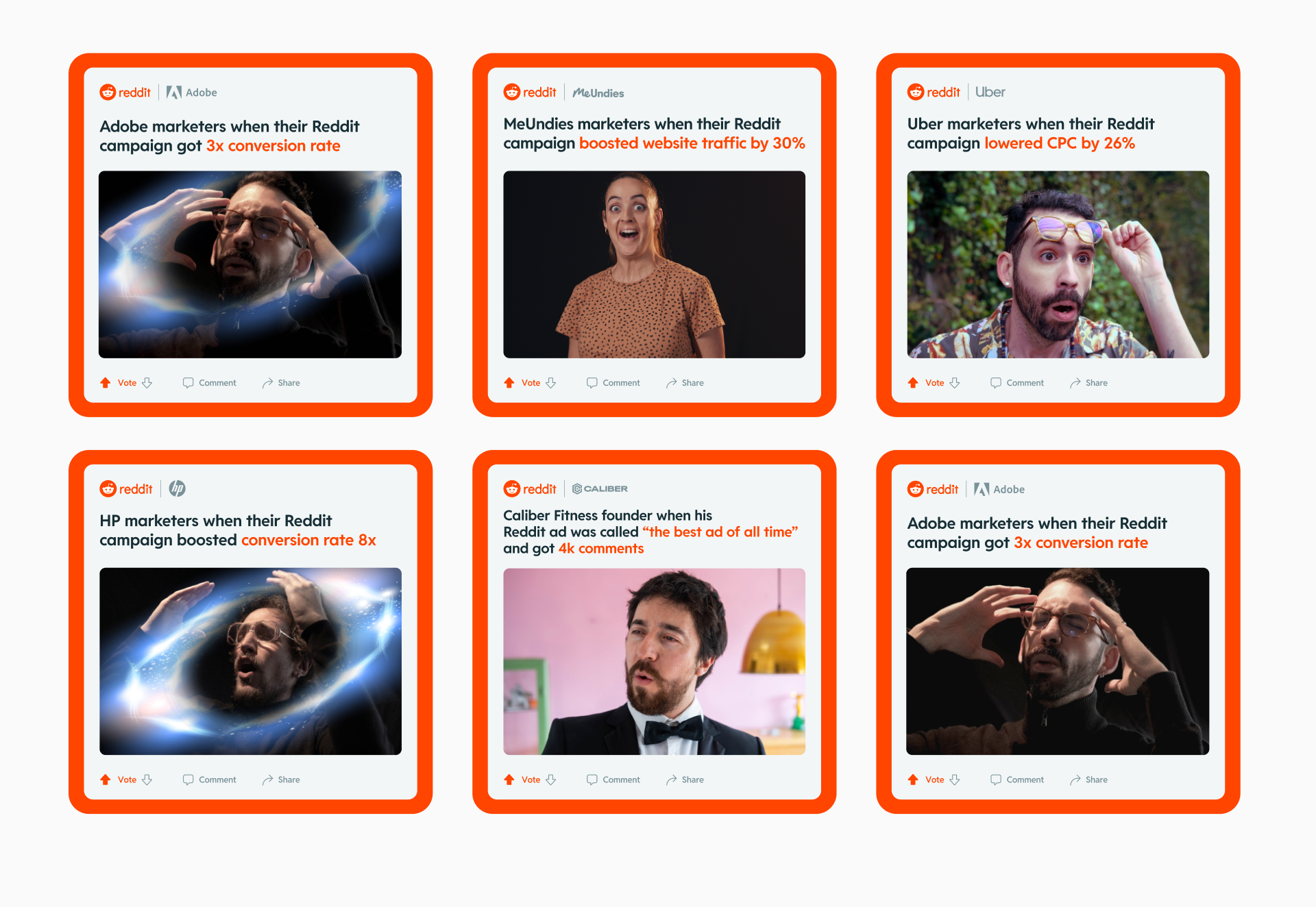
When Reddit needed to promote itself to advertisers on Facebook and LinkedIn, Superside built a meme-based creative system that let the team ship dozens of variants riffing on the same visual language.
The dynamic creative angle: the template was consistent (recognizable meme format), but the hook, punchline and case-study proof point rotated across every variant.
Why it works: 50% higher CTR versus baseline, per Superside's own reporting. The consistent format lets the algorithm optimize while the rotating punchlines keep the audience from tuning out.
What to steal: A locked visual system with rotating text/proof-point layers is one of the cheapest ways to build a real dynamic library without needing hundreds of new assets.
3. Netflix — dynamic thumbnails per viewer
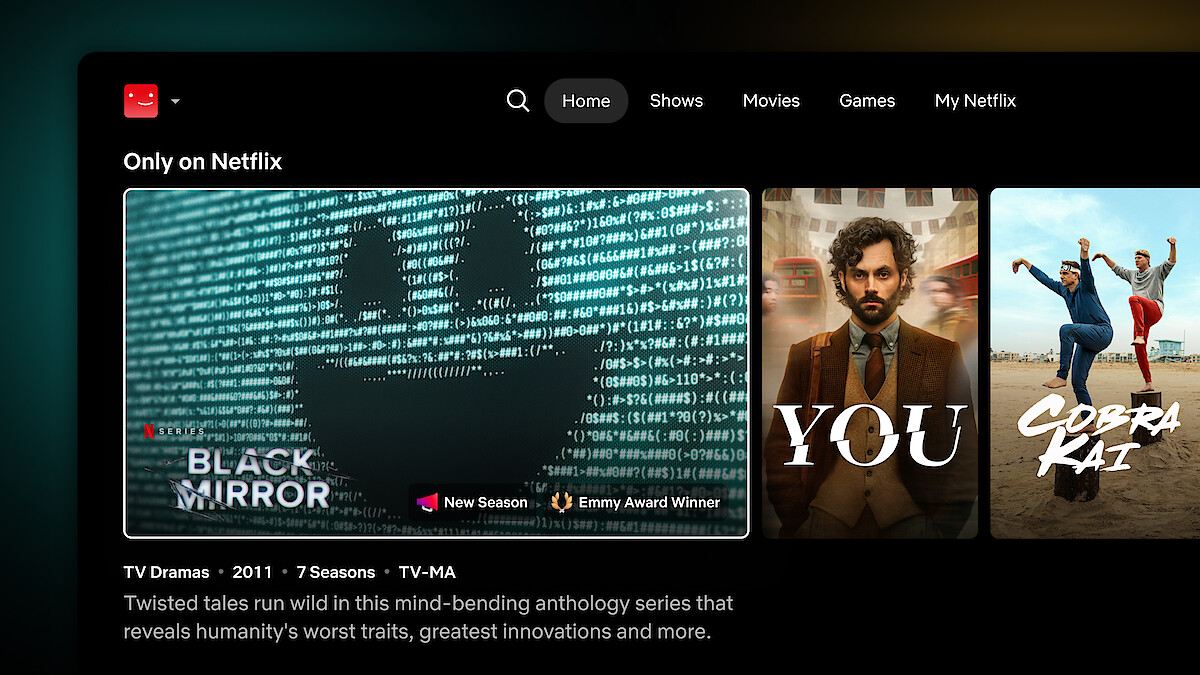 (Source: Netflix)
Netflix's personalized artwork system is often cited as the reference implementation of dynamic creative outside of paid media. Using contextual bandit algorithms, Netflix serves different show thumbnails to different viewers based on watch history, genre preferences and visual style affinities. Two people looking at Stranger Things might see completely different key art depending on whether they lean sci-fi or teen drama.
Why it works: Personalization drives roughly 80% of viewer activity on Netflix. When your creative asset is tuned to what each individual has already signaled interest in, click-through becomes an entirely different math problem.
What to steal: The principle applies to paid social too. If you have signal on what your audience cares about (feature vs price vs speed vs brand), match the opening frame of your video ad or the primary image of your static to that specific angle.
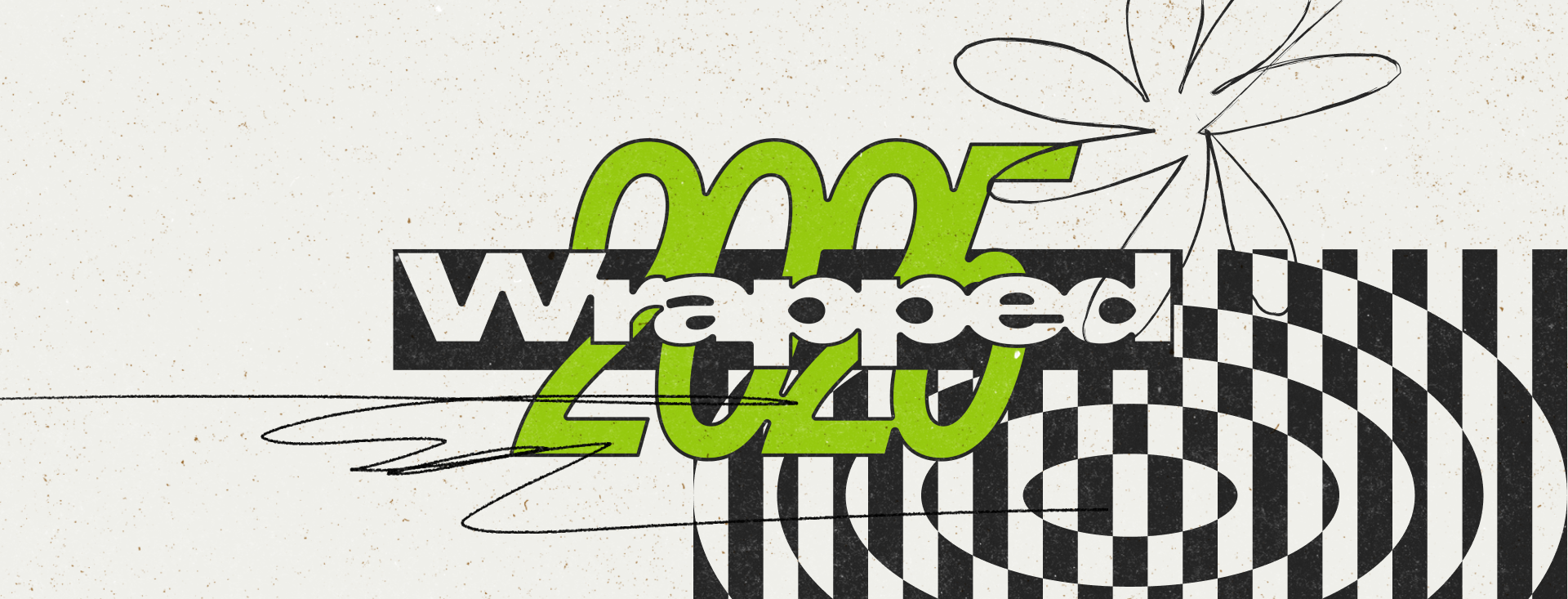
4. Spotify Wrapped — first-party data as the creative asset
 (Source: Spotify)
Spotify Wrapped is not a traditional paid ad campaign, but it is one of the most-studied examples of personalization-as-creative.
Every year, Spotify wraps a user's listening data into a shareable, personalized visual experience — and the follow-on social distribution generates paid-social results most brands cannot buy. In 2020, Wrapped drove a 21% increase in app downloads in the first week of December.
Why it works: The creative asset is unique to the individual. Every share is a personalized ad for Spotify, made from the user's own data.
What to steal: Even if you cannot build a full Wrapped equivalent, first-party data as a creative input (past purchases, usage milestones, personalized statistics) is under-used in most paid social libraries.
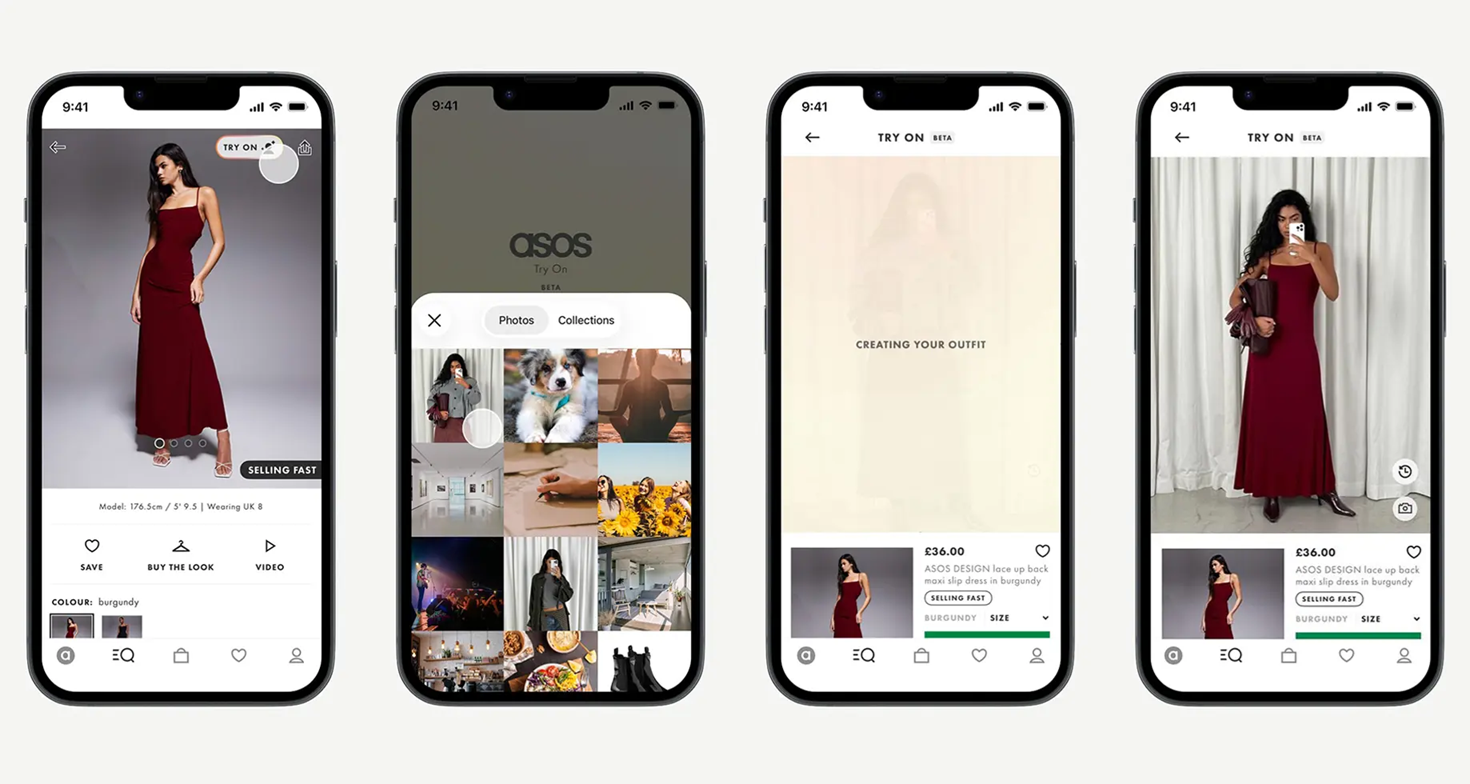
5. ASOS Dynamic Product Ads — the DPA archetype
 (Source: ASOS)
Fashion retailer ASOS is one of the most-cited Dynamic Product Ads case studies for a reason. It runs a full-catalog DPA on Meta that shows shoppers the exact items they viewed on the site but did not purchase, layered with a 10% cart-abandoner discount code. The dynamic creative isn't a hook or a visual — it is the product itself, matched to the individual.
Why it works: DPAs typically deliver 3–5x higher ROAS than prospecting campaigns because they target warm audiences with products they have already signaled intent on.
What to steal: If your business has an ecommerce catalog and you are not running a DPA retargeting layer, that is usually the highest-ROI dynamic creative move available.
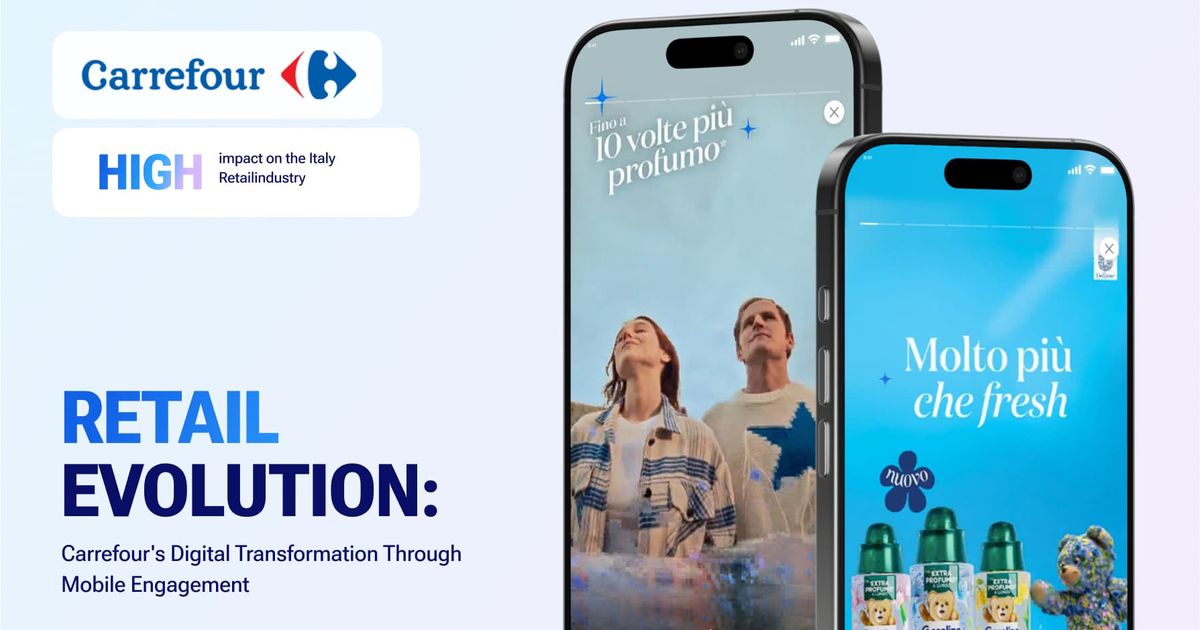
6. Carrefour — hyperlocal creative at scale
 (Source: InAppStore)
Grocery giant Carrefour is regularly cited across case study round-ups for its hyperlocal creative work: dynamic ads that pull location data down to the postal-code level, layer in a nearby-store address and offer, and adjust the featured product based on regional inventory and demand. Some campaigns layer weather data on top — an umbrella promotion when it's raining, sunscreen when it's not.
Why it works: Hyperlocalized campaigns reportedly deliver up to a 31% higher ROAS than generic national ones. The combination of location + time + weather triggers moves creative from generic to "made for me."
What to steal: If you have location data on customers (physical stores, service areas, event-based products), a location-aware creative variant is one of the highest-leverage additions to a dynamic library.
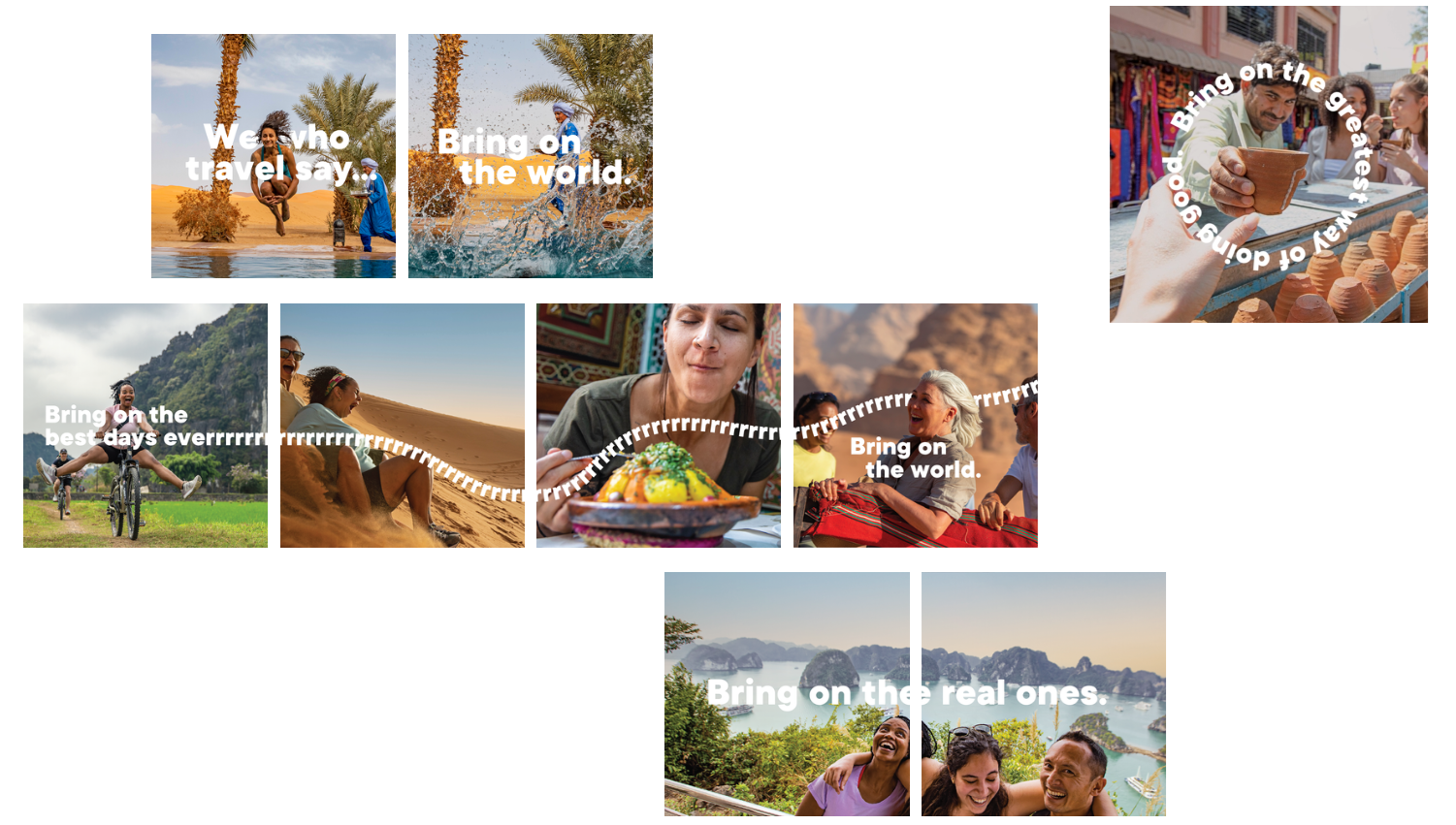
7. G Adventures — travel destination DCO
 (Source: Ashley Luppe)
 Adventure travel company G Adventures uses dynamic creative to match traveler interest and browsing history to destination-specific creative on Meta.
A user who browsed a Peru itinerary sees Machu Picchu creative with a Peru-specific offer; a user browsing Iceland sees glaciers and an Iceland-specific price. The catalog-driven approach means one campaign can serve dozens of destinations without one-off asset production.
Why it works: Relevance at the destination level meets warm-audience retargeting. Travel is one of the highest-personalization-value verticals because the buying decision is itinerary-specific.
What to steal: Any category with a catalog structure (destinations, products, courses, plans) can build a similar dynamic layer. The trick is a clean feed and templates that adapt to the feed without breaking.
8. Coca-Cola "Share a Coke" — personalized creative before DCO was a category
The Coca-Cola "Share a Coke" campaign, launched in Australia in 2011 and rolled out globally, replaced the brand's iconic logo with 250 of the most popular first names per market. On the digital side, users searched for their name, shared photos of bottles, and generated a personalized asset that Coca-Cola then amplified through paid social.
Why it works: Personalization at true scale. Each variant felt bespoke while the master creative system stayed disciplined and on-brand.
What to steal: The lesson is not "put names on things." It is that a small personalization variable (a name, a city, a milestone) applied to a consistent creative system generates the feeling of one-of-one at industrial scale.
9. Air Serbia — flight-offer dynamic ads by city
Regional airline Air Serbia works with Hunch Ads on a data-fueled dynamic ads system that matches individual traveler interests and locations to specific flight routes and prices. The user in Amsterdam sees Belgrade-to-Amsterdam pricing; the user in Berlin sees a different route. The creative asset updates in near real-time based on booking availability and price changes.
Why it works: Airfare buyers care about very specific origin-destination-price combinations. Static creative cannot serve that spectrum; a dynamic feed can.
What to steal: For any product where the price or availability moves fast, connecting the creative directly to your inventory system reduces creative production and improves relevance simultaneously.
10. Meta Advantage+ Creative — AI-generated variations as a native feature
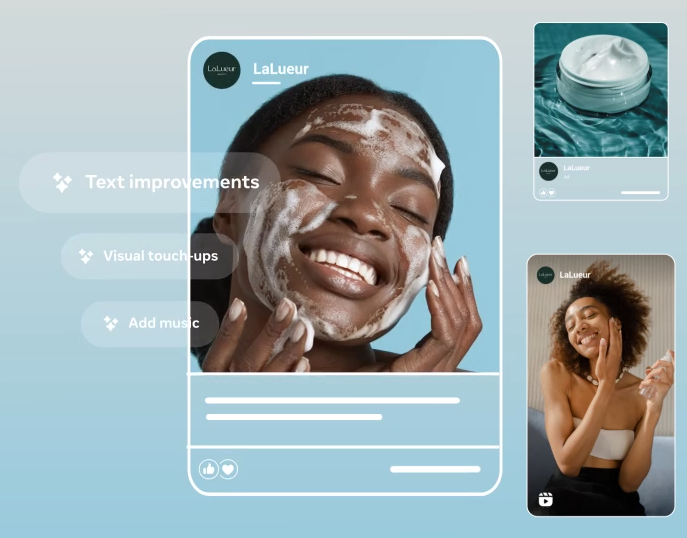 (Source: Meta)
Not a single brand, but a category-defining example. Meta's Advantage+ Creative uses its GEM model to generate net-new variations from a single seed asset: expanded backgrounds, repositioned text, alternate music, adapted aspect ratios. In 2026, this is the fastest way for smaller teams to hit the "minimum 10 creative variants per ad set" bar most DCO best practices recommend.
Why it works: Solo operators and lean marketing teams get an on-platform way to multiply a single strong asset into a real dynamic library without new production.
What to steal: Advantage+ is worth enabling on any Meta account running dynamic creative, particularly if your team's creative production capacity is the bottleneck. Just remember the AI Content Label requirement — AI-generated variations need to be disclosed when the AI created the subject.
Comparison table: what each example teaches
| # | Brand / campaign | Type of dynamic creative | Key personalization signal | What to steal |
|---|---|---|---|---|
| 1 | D2L Brightspace x Superside | AI-generated visual library | Consistent copy, distinct visuals | AI to hit the "3–5 concepts" bar faster |
| 2 | Reddit x Superside | Templated meme system | Rotating punchlines and proof points | Locked format + rotating layers |
| 3 | Netflix | Dynamic artwork per viewer | Viewer watch history and style affinity | Match opening frame to audience angle |
| 4 | Spotify Wrapped | Data-as-creative | Individual listening data | First-party data as a creative input |
| 5 | ASOS DPAs | Catalog-driven retargeting | Browse and cart history + discount | DPA layer on any ecommerce account |
| 6 | Carrefour | Hyperlocal + weather-triggered | Location + weather + inventory | Location-aware creative variants |
| 7 | G Adventures | Destination-level DCO | Traveler interest and browse history | Catalog-based creative for any vertical with SKUs |
| 8 | Coca-Cola "Share a Coke" | Personalization at scale | Popular first names per market | One personalization variable, industrial scale |
| 9 | Air Serbia | Route + price dynamic ads | Origin, destination, live availability | Connect creative directly to inventory |
| 10 | Meta Advantage+ Creative | AI-generated variations from one seed | Platform-side signal | Multiply strong assets when production is the bottleneck |
How to measure whether your dynamic creative ads are actually working
Dynamic creative shifts one key question: which combination won? Native platform reporting will tell you the campaign hit its ROAS. It will not always tell you which specific hook + visual + headline mix drove the result — and without that answer, the next round of creative briefs is a guess.
This is where a creative analytics platform designed for element-level attribution earns its place. Superads connects to your Meta, TikTok, LinkedIn and Google Ads (in beta) accounts through the official APIs, syncs data within 24 hours, and gives you three capabilities that map directly to how you evaluate dynamic creative.
AI tagging classifies your creatives by element. Superads AI automatically tags your ads by hook type, visual style, format and content creator. When you're running a dynamic campaign with 20 combinations, tagging is what makes "problem-solution hooks outperform social-proof hooks in this audience by 34%" a takeaway you can actually see — not a pattern you have to spot manually across a spreadsheet.
Superads Scores rank each creative percentile vs your own account. The five Scores (Hook, Hold, Click, Engagement, Conversion) are calibrated on your own data, so a Hook Score of 78 means the creative outperforms 78% of your other ads on that dimension. That is far more useful for evaluating a dynamic ad's winning combination than a raw 1.2% CTR that could be brilliant in B2B and mediocre in DTC.
Ask AI turns "which combination won?" into a conversation. The conversational layer on any open report answers questions like "which hook is driving the most conversions across my dynamic campaigns this week?" in plain English. It collapses the 20-minute Ads Manager dive into a 20-second question, which is the difference between briefing the next round of variants today or next week.

Our ROAS has definitely improved.
Superads makes our analytics crystal clear, helps us understand them, and lets us effectively create and measure content.

The free plan covers one connected report with 30 days of history — enough to run this loop on a single ad account.
The Pro plan opens 12 months of history, AI tagging, Ask AI and multi-account reports for teams running dynamic creative across brands or clients.
Superads will help you measure dynamic campaigns at scale
Dynamic creative is not a magic performance lever. The 10 examples above are what "strong" looks like when it is executed well. The measurement piece is what makes strong repeatable.
If you are not already running dynamic creative, you can start by auditing your current creative library. If the number is under three, you have a creative production problem. Fix that before you enable more platform features.
Enable Advantage+ Creative on one campaign as a test. Meta's on-platform DCO features are the fastest way to see whether dynamic delivery moves your specific account's numbers. Set a 7-day window, measure the lift versus a control campaign and let the data decide.
Then, connect an ad account to Superads and set up a Starter Board. Even on the free plan, you get percentile-based Scores for every ad, so the next dynamic campaign has a way to see which specific hooks and visuals are driving the lift.
That is the measurement layer most dynamic creative workflows are missing.
Start today!
FAQs
Improve your clients' ROI
Track multiple accounts in just one place.
Tailored for your agency's needs. Optimize with AI.

Improve your ad campaigns
With the only AI-powered creative insights tool
built for modern marketers.